
فهرست مطالب
ToggleIntroduction
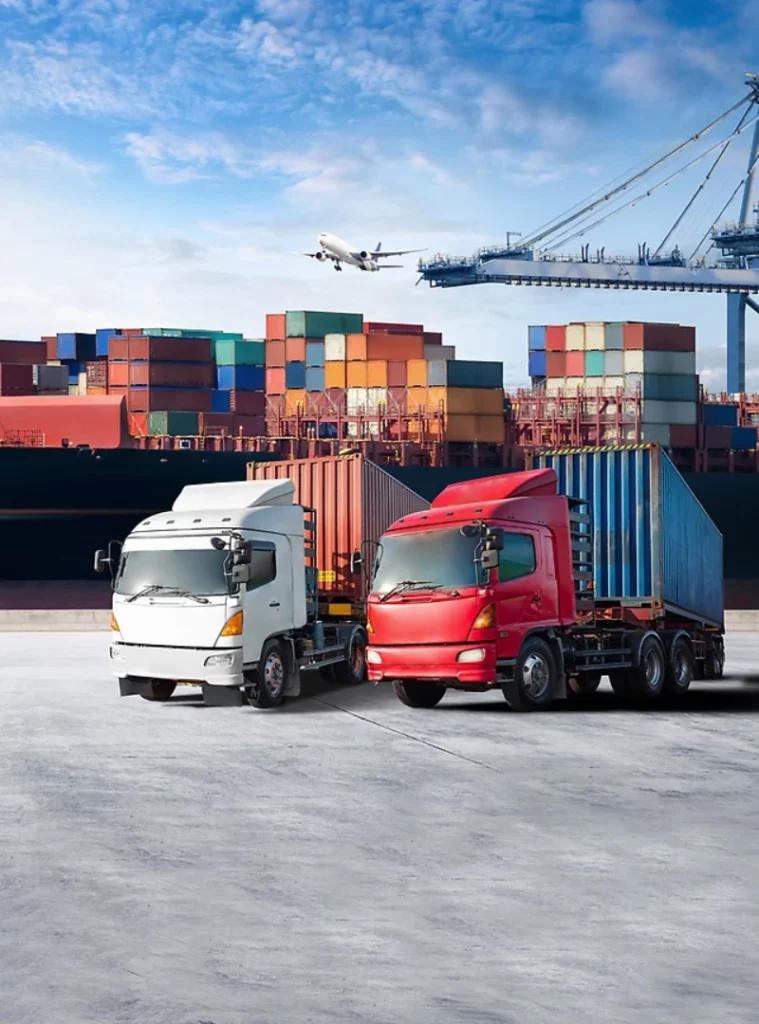
Efficient goods transit is the backbone of international trade. For businesses, understanding how to streamline this process can enhance productivity, reduce costs, and foster global market access. This comprehensive guide explores the basics of goods transit, compares transit methods, and provides practical tips to simplify the complexities of global logistics.
Key Components of Goods Transit
[table id=6 /]
Comparison of Transit Methods
[table id=7 /]
Simplifying International Trade: Golden Tips
- Plan Ahead: Research the destination country’s customs and trade requirements.
- Choose the Right Mode: Select transportation based on cost, delivery time, and type of goods.
- Ensure Proper Documentation: Double-check all necessary documents, including customs declarations and permits.
- Invest in Tracking: Use tracking technologies to monitor shipments and proactively address issues.
- Optimize Packaging: Use durable materials and clearly label goods to prevent damage or misrouting.
- Leverage Freight Forwarders: Partner with experienced logistics providers to handle complex shipments.
- Understand Trade Agreements: Utilize trade pacts to reduce tariffs and streamline procedures.
Benefits of Streamlining Goods Transit
[table id=8 /]
Challenges in Goods Transit and How to Overcome Them
[table id=9 /]
FAQs
1. What is goods transit in international trade?
Goods transit refers to the movement of products across borders using various transportation modes.
2. How can I simplify goods transit?
Plan ahead, use the right transit mode, ensure documentation accuracy, and invest in technology.
3. What is the best mode of transit for bulk goods?
Sea freight is ideal for transporting large volumes over long distances at a lower cost.
4. How does technology help in goods transit?
Technologies like GPS and logistics software provide real-time tracking and enhance efficiency.
5. Do I need insurance for international goods transit?
Yes, insurance protects against risks like damage, theft, or delays during transit.
6. What are the key documents for goods transit?
Essential documents include the bill of lading, commercial invoice, customs declaration, and packing list.
7. How can I reduce customs delays?
Accurate documentation and pre-clearance processes are crucial to avoiding delays.
8. What is multimodal transport, and when should I use it?
Multimodal transport combines two or more transit modes, ideal for long-distance and complex trade routes.
summery
Goods transit is essential for international trade, requiring efficient planning, accurate documentation, and the right transportation methods. By leveraging technology, optimizing processes, and understanding trade regulations, businesses can simplify logistics, reduce costs, and expand their global reach.